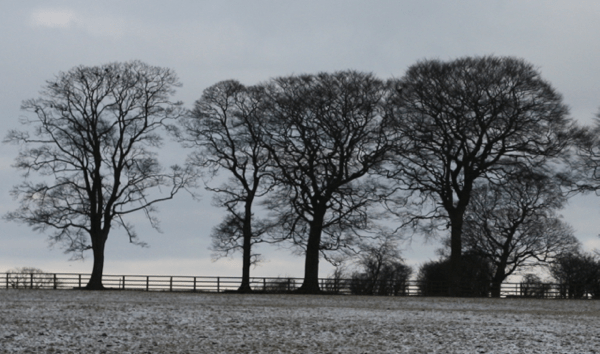
(It takes time to grow a tree)
“The two most powerful warriors are patience and time.” – Leo Tolstoy
It might seem like a huge effort will get things finished, sometimes… not so. Mairead.

(It takes time to grow a tree)
“The two most powerful warriors are patience and time.” – Leo Tolstoy
It might seem like a huge effort will get things finished, sometimes… not so. Mairead.
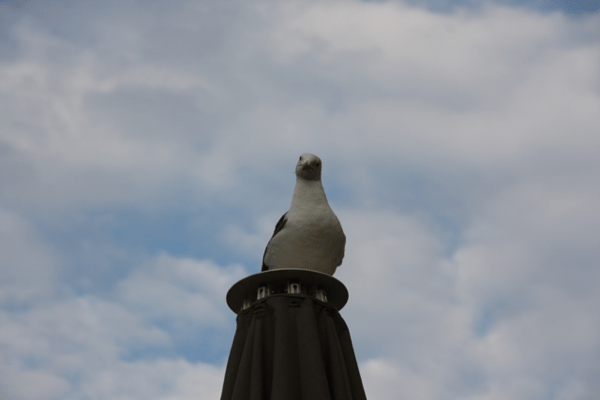
(What you looking at?)
“The shell must break before the bird can fly.” – Alfred Lord Tennyson
Is there something you need to break? Mairead.

(Most of the Moon)
I am not in this world to live up to other people’s expectations, nor do I feel that the world must live up to mine. – Frizt Perls
Well that’s a relief, Mairead

(Mixed media in progress…)
I’ve been reading and listening to Jonah Lehrer’s book Imagine How Creativity Works. I listened to it last summer with the hens in the forest. They weren’t hugely impressed with Jonah but I really like him so I bought his book too. Anyway, the bit I was re-listening to this weekend was about the dorsolateral prefrontal cortex (DLPFC). Rather than try, I’ll let Jonah explain it….
“While the DLPFC has many talents, it’s most closely associated with impulse control. This is the bit of neural matter that keeps each of us from making embarrassing confessions, or grabbing food, or stealing from a store.”

(after I heard him say this I highlighted it)
Sounds good, right? Well yes and no…. Most of the time it’s a good idea not to be too impulsive. But what if you’re learning to draw or paint or what if you just want to create a beautiful get well card? What if you want to write something interesting or design something that pleases you? Well, at times like that impulse control is your biggest critic and your biggest enemy. In all fairness it’s trying to protect you from something embarrassing – a silly drawing, an aspiration to write a book, a childish necklace – very scary possibilities.

(….playing with disposable….)
Turns out the DLPFC is the last brain area to fully develop, that explains why small children have no problem throwing a tantrum in a crowded shop. It also explains why they love their art! No impulse control… no critic. The good news is Jonah tells us about a study where just asking the adult subjects to think of themselves as seven-year olds (and spend a little time writing as their seven-year old self) caused them then to score higher on creativity tasks.
I’m off to play…. Mairead.
P.S. it’s Sunday afternoon as I write ✓

(Well, if we’re including everything…. here’s the girls again)
“Only two ways to live life. One is as though nothing is a miracle. The other is as though everything is a miracle.” – Albert Einstein
You’re a miracle too, Mairead.

(Morning! Or afternoon?)
As I sit here at 8.30am on Monday morning I wonder why I don’t sit here at 3.30pm on a Sunday afternoon. Why wait until the last minute? Why set up a habit that doesn’t support the good and the healthy? Why not set up a habit that makes life and the living of it easier? Why indeed?

(One of my buttons on my art project)
It’s something I’ve considered previously, with some success too. There was the walking for twenty minutes a day habit, the drinking three pints of water a day habit, the blogging at 3pm every day habit, the photography every day habit, even the drawing every day habit. But for some reason it’s much easier to let those kinds of habits go and forget that they were even a consideration.
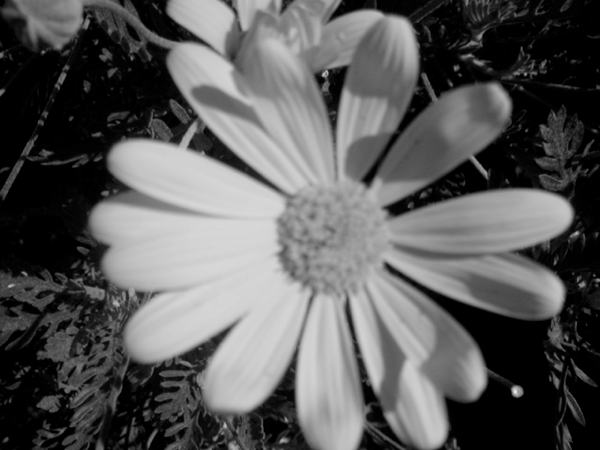
(Focus on the important things….)
Now I’m considering…. and it seems like this might be the perfect time to reinstate some useful habits. I’ll have to be ruthless when I’m deciding which ones to reinstate. Probably best if I ask myself what I want to be doing in six months time (when my habits have taken hold.)
This could take a little time, Mairead.
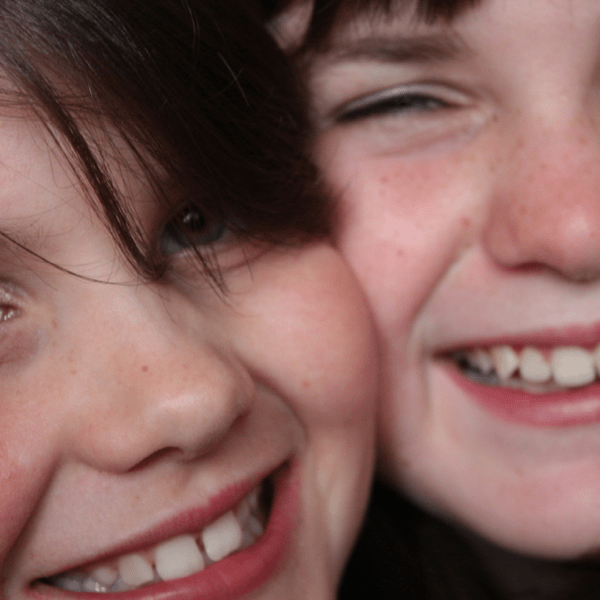
(Roisín and Caoimhe – happy cousins)
“Happiness is a choice that requires effort at times.” – Aeschylus
Go on – make the effort, Mairead.

(From the summer garden – Love in the Mist doing its insignificant thing)
“Whatever you do may seem insignificant, but it is most important that you do it.” – Mahatma Gandhi
Do your thing! Mairead.
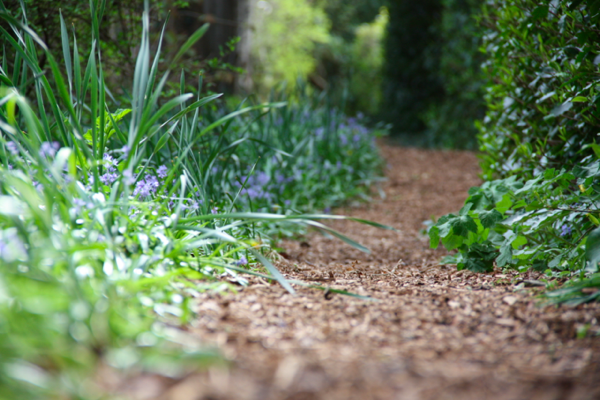
(Widen your focus… and see the big picture)
The story of us is part of a big Map. The Map is the representation we have created in our mind of the real world outside our mind. It’s just a representation, it’s not real. Just like the map of Ireland is not Ireland, it’s just a piece of paper that represents a real place. A map is much smaller, so it can fit in your car…. A map does not include everything. A map represents mountains with colours and lines. No one believes mountains are just colours and lines they know that’s just a representation. We know a map is not the country it represents.

(Eat well… but not these….)
But we often believe the map in our mind is real…. “this is just the way I am”, “I’m lazy”, “I have no willpower”, etc., etc. We often believe in the story of us…. It’s not real, it’s just a representation…. like the lines and the colours. It’s a representation of something that was said or heard, something that was seen or experienced… and we hung on to it and deleted any experience of the opposite…. and it’s just a map.

(Rest regularly)
Most of the choosing of the representation of the world is done in our childhood and is influenced by the people around us – our parents, our grandparents, our siblings, our teachers and society in general. We are affected by their representation of the world. Their Map has a strong influence on how they see the world and therefore how we learn to see the world.
If there’s something you want to include in your story, start noticing it in your experience. Mairead.
 Travel stories