

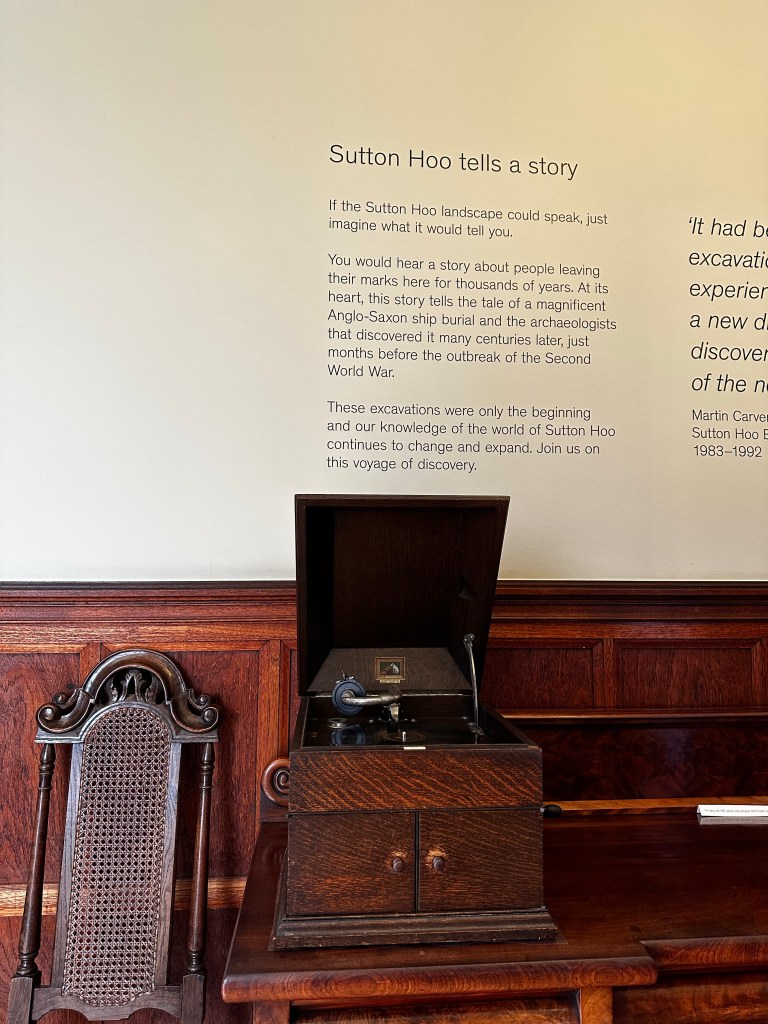
On Tuesday last we went to Sutton Hoo. You may have heard about it in the 2021 movie called The Dig? It might still be on Netflix. It was based on a book with the same name and it tells a story of finding an Anglo-Saxon grave. Not just any grave, either, the grave of a king with his treasure and his ship in this place called Sutton Hoo near the village of Woodbridge in Suffolk.
We accidentally drove through the village of Woodbridge (beautiful but narrow) and would not recommend driving through in a motorhome. It was unnecessary as Sutton Hoo is away on its own in the countryside a few miles away. There’s a long drive up to it, parking for motorhomes and even a campsite nearby.

Remember I told you I had bought a visitor ticket to the National Trust which meant for the time we are in England (or anywhere within the UK) I can visit any National Trust site for free? This is very cost effective and that’s on purpose I believe. The first question I’m asked at each reception desk is, “Are you a member?” (It’s such a great question because it makes members feel welcome and it tells the unaware non member about the concept of membership!) It seems that most people who live here are members and so they can visit anytime and they do.
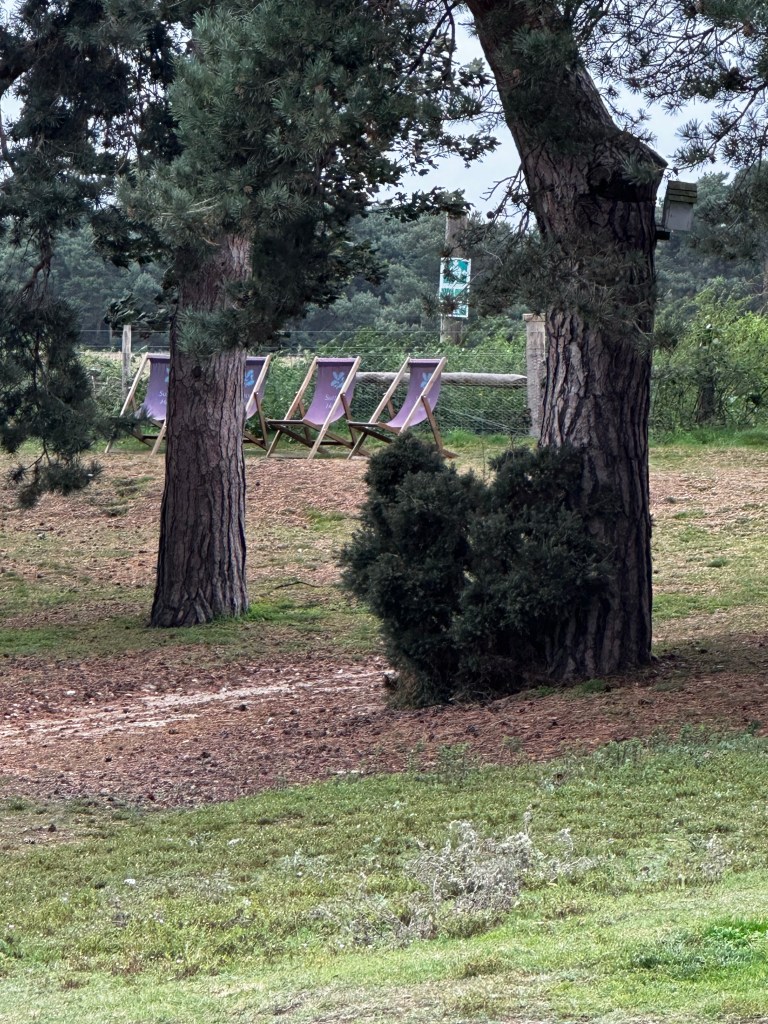
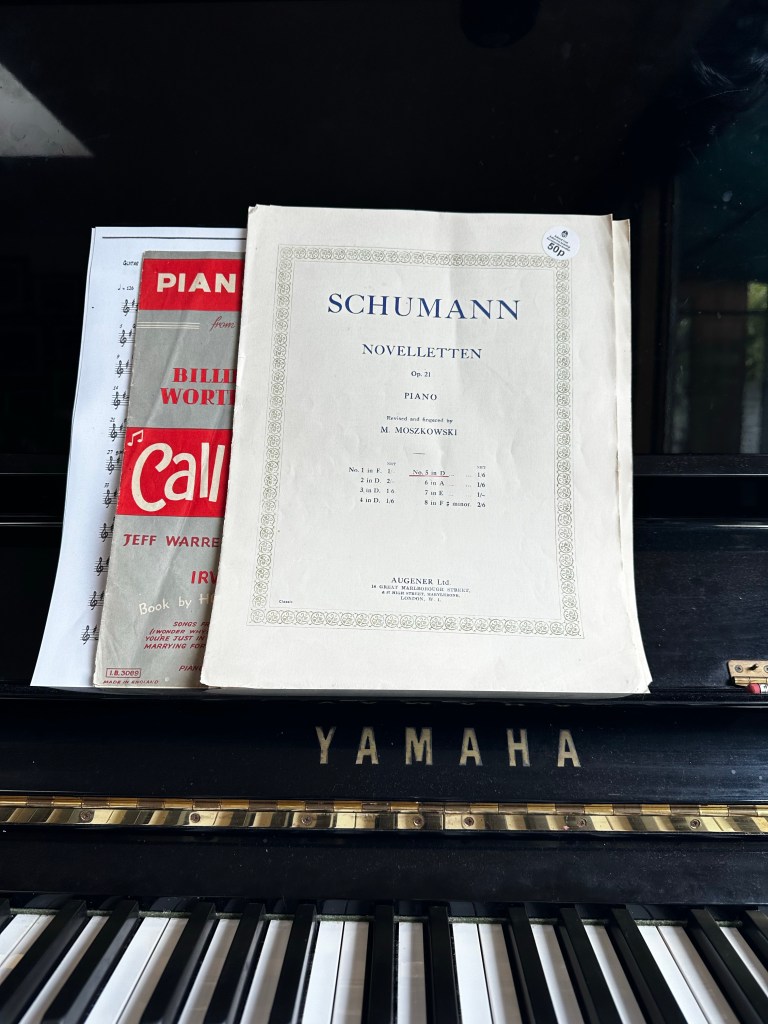
Some just walk their dogs or go for a coffee or buy a second hand book – which I did on this occasion. On a less windy day than the day I visited they might sit in the deck chairs and just enjoy the view. Or they might use the services of the many volunteers who are more than happy to answer any questions or tell their favourite story of the place. As most volunteers are here for one day a week you will probably never meet the same volunteer twice so there’s alway a new story to hear.
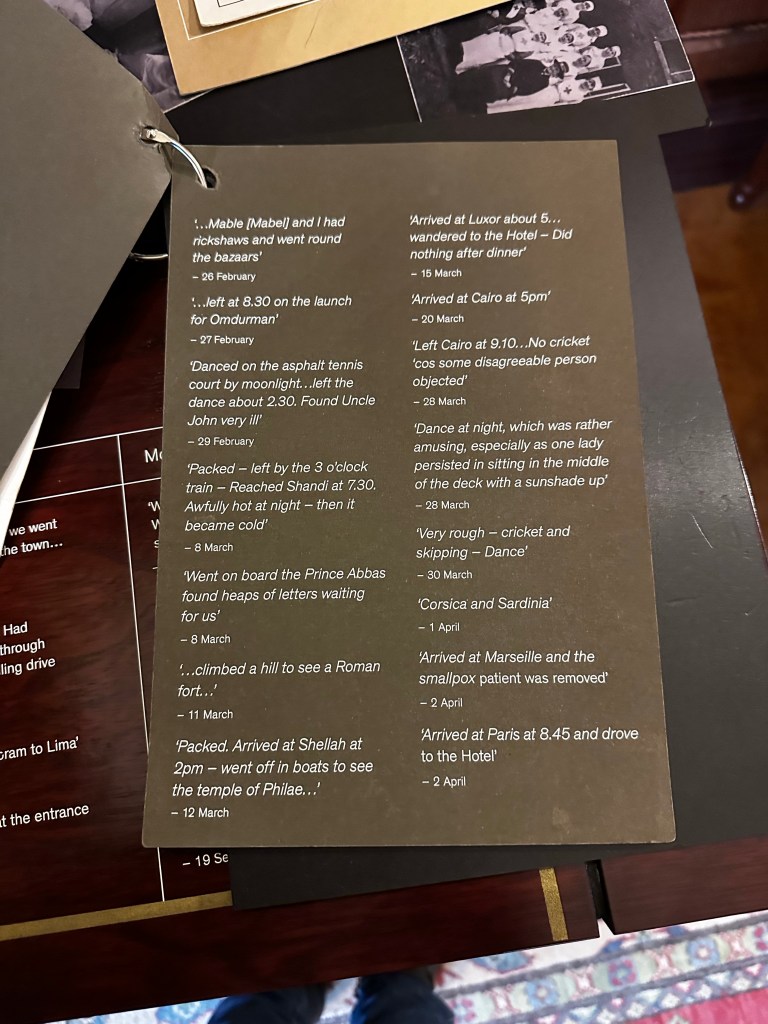
You probably want to hear some of the story of Sutton Hoo, right? Well there’s two big picture stories. The one about the Anglo-Saxons and the one about finding their treasure. We’ll start with finding the treasure. Edith Pretty lived with her family at Sutton Hoo between 1926 and 1942. She loved to travel and as a young woman had travelled to, among other places, Khartoum. She took pictures on her travels and kept a diary… This is important because her interest in archeology was fostered on her travels.
In 1937 (only two years before the Second World War) she was at the Woodbridge flower show where she spoke to a local historian about the earth mounds on her land. She wanted to investigate them. She asked for a recommendation of someone who might help her and was given the name of a local self taught archaeologist, Basil Brown. The story gets a bit more complicated when the British Museum realises there was something good here and replaces Basil with one of their not self taught archaeologists. But for me Edith and Basil are the heroes.
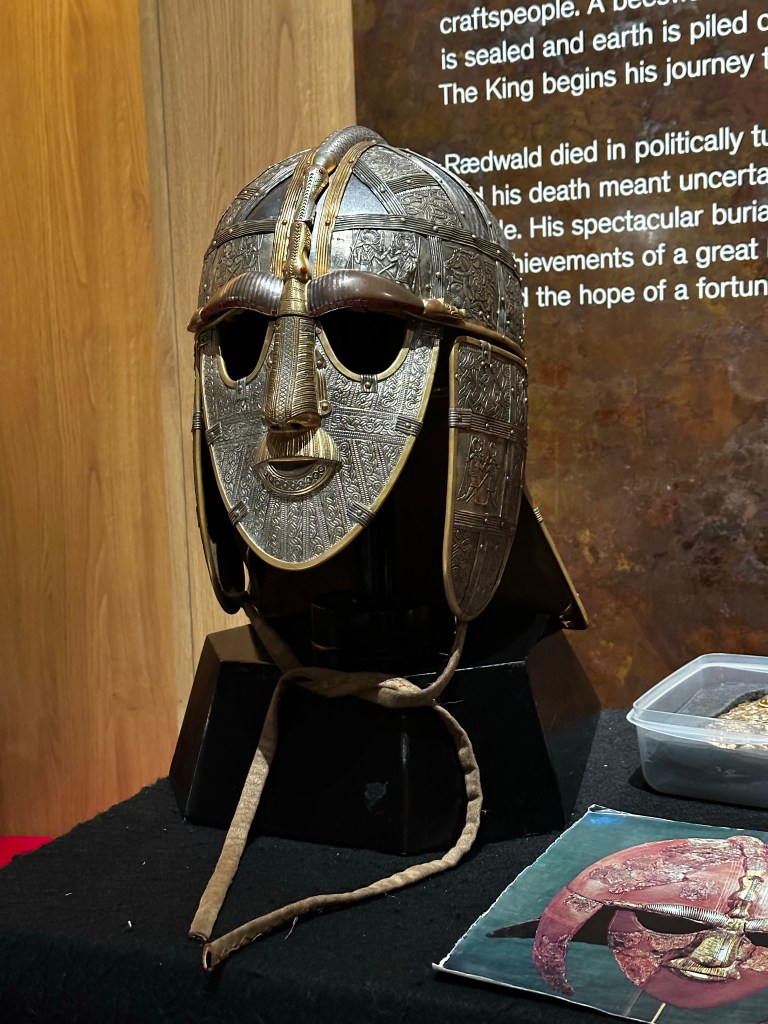
And the Anglo-Saxons? Well the history I was missing all along about the Anglo-Saxons – they were in Britain before the Vikings. The information boards and very good at all National Trust sites and Sutton Hoo is no exception.
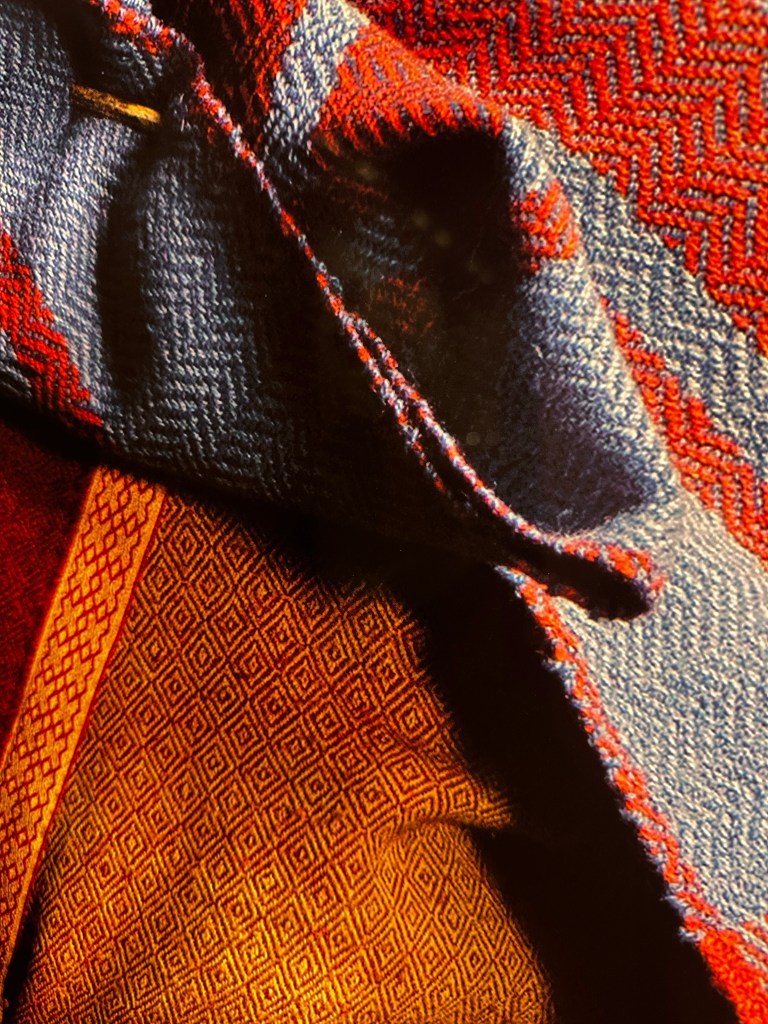
Here’s what I learned: The Romans left Britain in the early 400’s and after that people from Germany (or at least where Germany is now) and the Netherlands and Scandinavia arrived and set up home. They married the locals and they all lived happily. Of course history calls them Anglo-Saxons but they were families who followed traditions and a culture and they belonged. King Raedwald, buried at Sutton Hoo was a member of the Wuffings family and they were rulers of the Kingdom of East Anglia. He died in the early 600’s. The first Viking raid wasn’t until the early 700’s.

Summary: Sutton Hoo is a place where families lived and loved and worked and played and belonged more than one and a half thousand years ago. Two amateurs (from the Latin, to love) self taught in archaeology brought this place to the attention of the world. Query: Do you ever stop yourself from bringing something you are passionate about to the world because you’re “just” an amateur?
 Travel stories