Taking the tour bus to Toronto

30 8e

(Are you sure it’s ok to park here?)

We went to Toronto yesterday. We decided not to rent a car until next week so we had to take the bus…. not really… Very short bus, only takes six and unusually we knew the driver. It turns out Doris loves Toronto so… she became our bus driver for the day. Ok, it was a car but it had the same privileges as a bus. It could stop anywhere and the passengers could all get out to take photos… so we did. We made a quick stop at Casa Loma, a castle built by a rich Canadian in 1911.

30 8aa

(Castle Casa Loma)

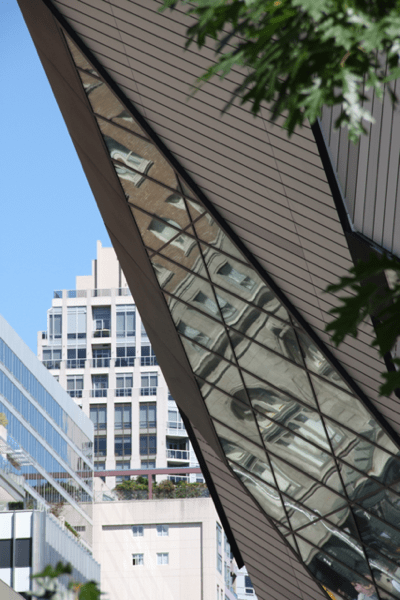
We stopped at the ROM (Royal Ontario Museum) – both entrances.
30 8bb

(ROM new part called the crystal)

30 8c

(Rom original entrance)

We stopped at the house of the governor…. I think.

30 8d

(I think this is the governor of Ontario’s house)

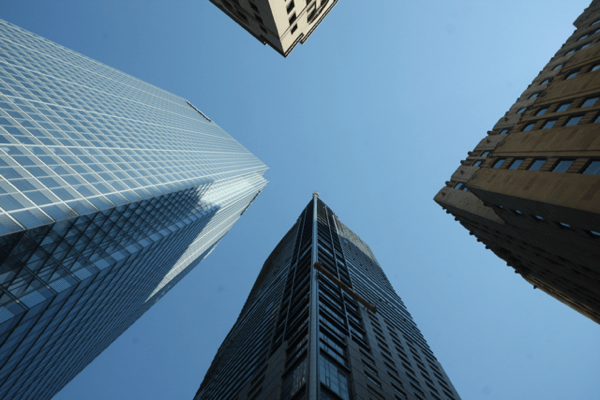
Then we went downtown, where the buildings are modern and tall.
30 8f

(One of these was the tallest building for a while)

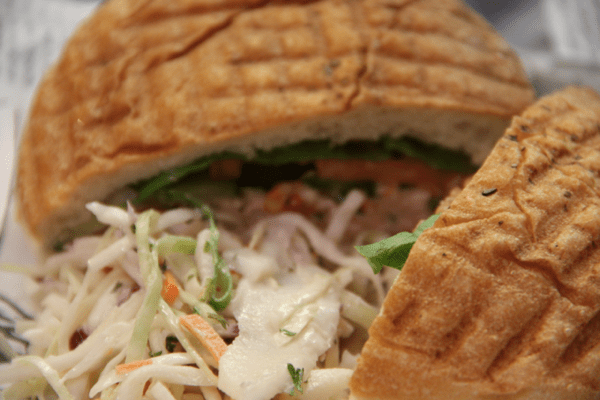
Then we went to St. Lawrence’s Market for lunch…
30 8g

(This is a sandwich!)

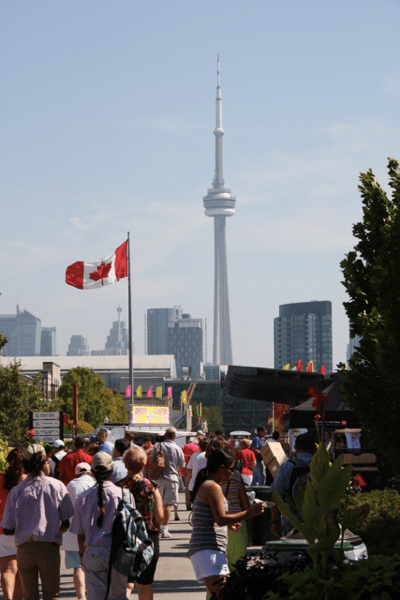
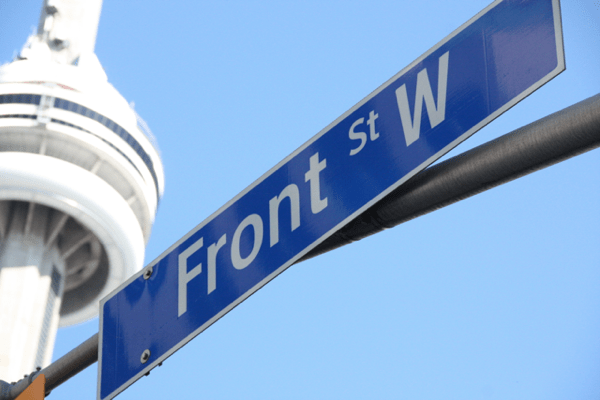
The downtown buildings pale in comparison to the height of the CN Tower. It’s 1,815 feet tall;  we parked the car and went up there. The lift up to the observation deck travels at 15 miles an hour and it’s on the outside and it has glass doors. We had the best spot right beside the door…. but no pictures – using my hands instead to pry my eyes open.
30 8h

(CN Tower from Front Street West)

30 8i

(It wouldn’t fit in my view finder)

Afterwards we walked around the outside of the tower tied to ropes…..

30 8j

(Ok it wasn’t us…. )

It is possible to walk around the outside of the tower with only a rope protecting you from gravity… but we had to go to dinner… at the Old Spaghetti Factory.
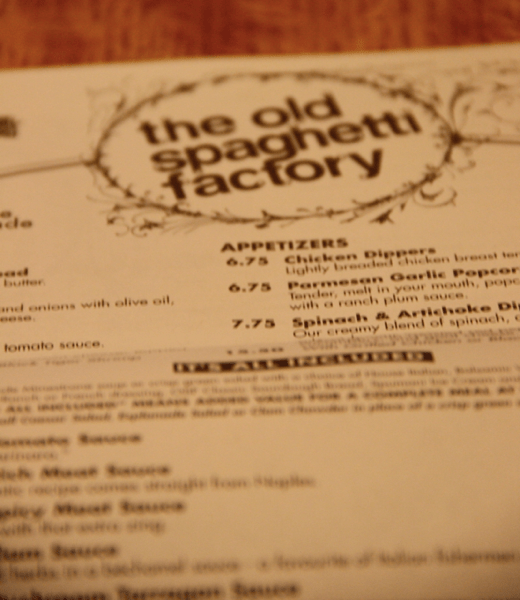
30 8k

(It’s all included – for the price of your main course (around $12) you also get salad starter, yummy ice cream called Spidona and tea or coffee)

And then off home to bed…
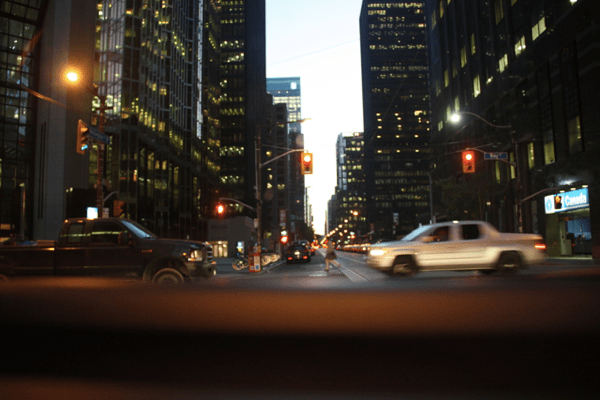
30 8l

(Driving home in Toronto at 8pm last night)

Today we will rest, Mairead.
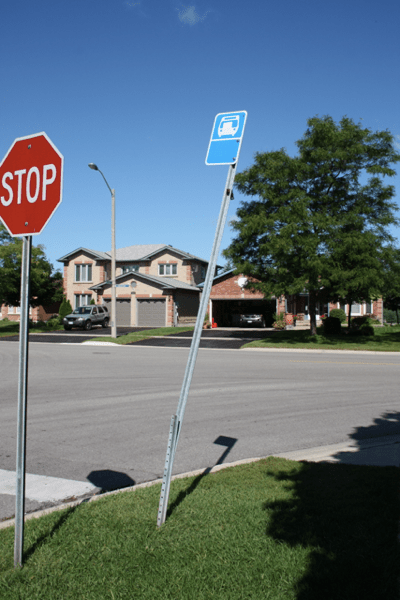
Canada – home of the free… stuff

29 8a

(Our bus stop – a little off-center but working perfectly)

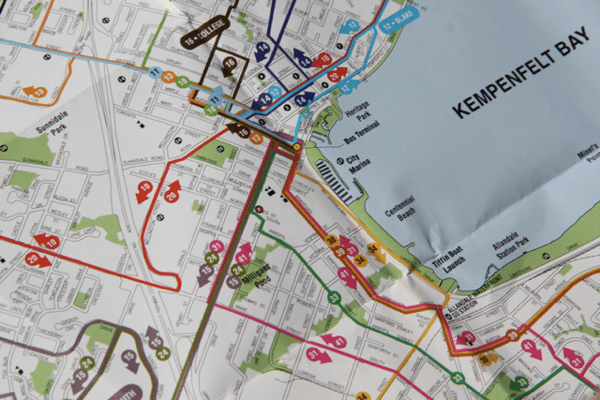
Yesterday Caoimhe and I went to the Mall (pronounced maul.) Although there’s public transport here in Barrie –  a bus service and a train to Toronto – most people take cars. So Caoimhe had never been on the bus (neither had my sister or brother-in-law) but as bus travel is an integral part of every holiday for me, we gave it a go. Barrie is considered a town, but it’s a big town, with a population size similar to Cork city. We would need a map, timetables, directions – we didn’t have any of these…. but we had something else – Doris!

29 8d

(Our map – that’s the lake in blue and the circles with the arrows are the bus number and bus direction – we took number 10 and number 20)

If you’re keeping up with our story you will remember Doris and Bobba? Well, on Monday they had to go for a doctor’s appointment and among the out of date magazines and health promos in the waiting room they discovered a bus map and timetable. We had the tools. (Interesting by the way…. doctors visits are free – yes free! I was beginning to notice a few aches and pains that I could get investigated before we get back to Non-free-land when I was told it was only for residents. Sure I’m fine really.)

29 8b

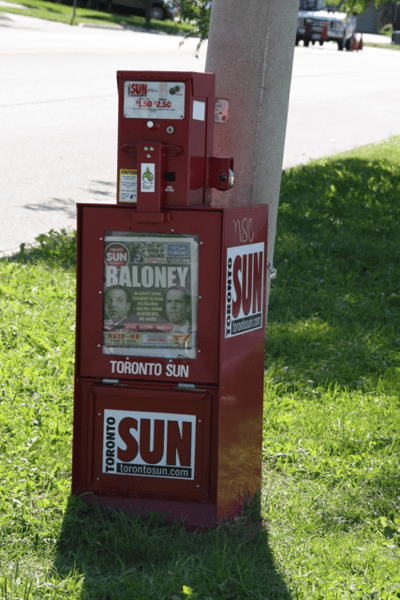
(A newspaper stand on a suburban street)

Anyway, on Monday night we poured over the map and discovered where we could pick up the bus, how much it would cost (one fixed price $2.85 and that includes transfer to any other bus), what number it would be and which direction it would be going in. By Tuesday at 11am we were ready. We found the stop easily (after a bit of confusion – mine – about which side of the road the traffic drives…. it’s  the right!) and settled down to wait.

29 8c

(A fire hydrant – doesn’t it look a bit like the little bear in Yogi Bear?)

Caoimhe had a book and I had my camera. When the bus came we were ready with our exact change. I had put mine into the little slot and was encouraging Caoimhe to do the same when the nice lady driver said, Tell me she’s in 8th grade. Never one to disobey a person in uniform (and Caoimhe is in 8th grade) I nodded, Yes, she’s in 8th grade. Then she’s free when she’s with you. Yahoo!

Free doctors and free travel, how much better can this get? Mairead.

We’ve arrived with family in Toronto!

28 8a

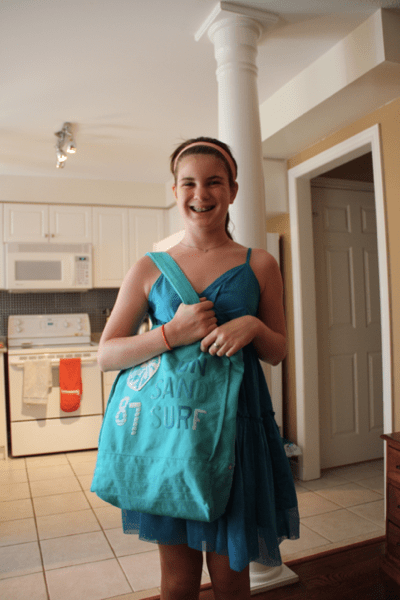
(Caoimhe, all set for her day at CNE)

Yes, here we are, we arrived in Toronto on Saturday. My sister. Moira and my niece/godchild Caoimhe were at the airport, waving banners and cheering as we exited the arrivals gate (well they may have been earlier…) We may have left a rainy and chilly Ireland seven hours ago but the sun was shining on our arrival. Moira and her husband John live about an hour away from Toronto in a town called Barrie, so as we beetled along the highway Caoimhe gave me a running commentary of the sights.

28 8b

(Doesn’t it look a bit like the RDS?)

We had just enough time to get a tour of their house and change out of our cold weather clothes when it was time for dinner. Although we had eaten breakfast in Greystones, pasta lunch and teatime pizza on the plane, for some reason we were ready for dinner in Barrie as well. My sister and her family moved here about a year ago and stayed with friends until they bought a house. Tonight these friends were coming for dinner. Although I have never lived way from Ireland I have noticed the experience of others. It seems to me when people leave their native soil and their extended family they meet friends who become family. Grahame, Doris and Bobba (I’m spelling phonetic – it’s Ukrainian for grandmother) are family.

28 8d

(CN Tower in the distance)

So, bright and early on Saturday morning we headed off with our new family (in their car) to the CNE. In case you haven’t heard of it the CNE is like all the shows that happen in the RDS in Dublin, but all happening at the same time and using all the buildings. So it’s Funderland (rides and carnival games), it’s  a Dog Show, it’s a Cat Show, it’s a Flower Show, it’s a Farm Show, there’s horses, there’s music, there’s a little train, there’s a sky lift, there’s booths selling products from countries around the world and there’s food… lots of food. But mainly it’s nostalgia. Parents who were brought here as children are back with their own children.

28 8f

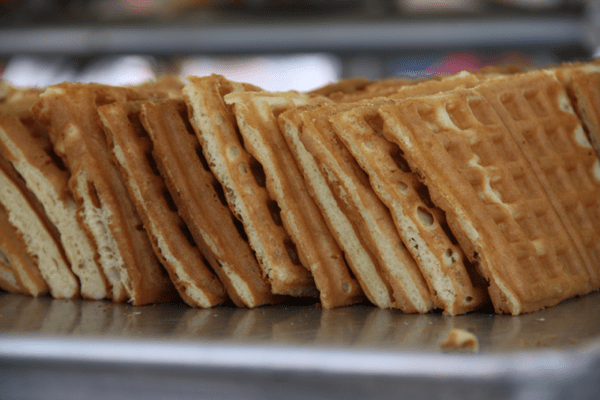
(Food…)

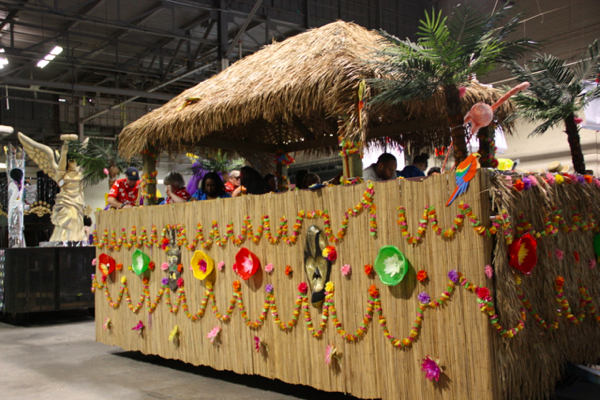
Every day in the CNE at 6pm there’s a parade of floats. With music and stilt walkers and clowns and animal characters. And the best thing about the parade? The beads. Mardi Grais plastic necklaces are thrown from the floats to the crowds lining the route. I’m not sure what it is about the beads but they seem to bring out the inner child in adults and we were in a unique place to spot this phenomenon – we were throwing the beads!

28 8g

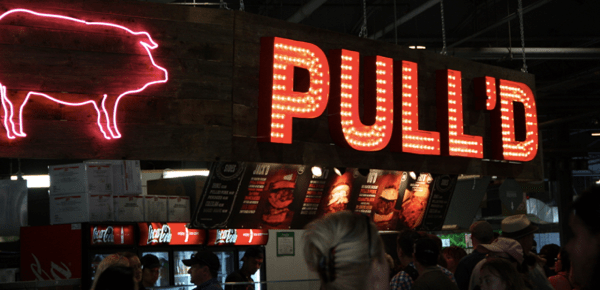
(More food…)

On our way to the CNE we stopped by Maryann and JoJo’s house (more family.) JoJo had prepared a map with instructions on how to get the best from our day while Maryann gave us tickets (free!). I think it was Maryann’s niece who got us places on a float. Initially Denis and I were a bit sceptical about the whole parade thing… how could we politely refuse when everyone had been so kind? Well… by the time the parade started you couldn’t have dragged us from that float. We were dancing to the reggie beat and hurling beads with abandon. The looks of delight on the faces of grown men and women as they caught a necklace was addictive.

28 8h

(Our float before we took off – we were too busy to take pictures on route!! That’s me and John at the back)

It’s the little things, Mairead.

Japanese Gardens Co. Kildare

23 8a

(The Bridge of Life)

Yesterday we went to the Japanese Gardens. Our admission included a tour of the National Stud (horses) but we just went for the garden and the food. We arrived around midday and it was busy, tour buses and families. Ok everyone with the tour stand by the wall. As luck would have it there was a torrential rain shower as we got our tickets so we had an early lunch. Back in the garden it as a bit too busy for photographs, each time I lifted the camera to point at something picturesque a little one ran up to it. Look Gran-Mam, look at the stone!  But I got a few.

23 8c

(Couple of swans preening at the lakeside)

The garden symbolises the Life of Man. At the entrance you have the choice between the Easy Path and the Rugged Path. Of course we took the rugged path and before long were slipping and sliding on slick wet stones. Maybe the easy path would have been just fine….. We struggled on through the Cave of Birth – tight fit, the Tunnel of Ignorance – dark and wet, the Hill of Learning – more slipping and arrived at the Engagement Bridge. There’s a gap in the bridge and you have to leap (very small leap) across. On the Honeymoon Path there’s a Difference of Opinion and the path separates…  We bravely climbed the Hill of Ambition and arrived at the Chair of Old age.

23 8b

(Entrance to Fiachra’s Garden)

As the sun was still shining we decide to have a look at the Stud or at least the paddocks with the mares and foals, but it was not to be… another shower had us sheltering in the Beehive Monastic Cells. These are modelled on a monastic site found at Skellig Mhichil, off the west coast. A bit dark but very dry we sheltered with a few of the families. This was Fiachra’s Garden. Fiachra was a 6th century Irish monk who left Ireland and founded a hermitage in France. He encouraged manual labour, gardening and giving to the poor  and is the French patron saint of gardeners. His garden here was designed to make us think of this man (and many more like him) who followed a path of adventure inspired by their passion.

Paths can be slippery – be aware! Mairead.
Visiting Lord and Lady Londonderry…. well… their house.

14 8bb

(Mount Stewart house and a little of the Italian garden)

Mount Stewart was the home of Lord and Lady Londonderry. It is beside Strangford Lough on the peninsula side and like the fishing village it is also owned by the National Trust. We walked around the gardens – very beautiful – and then went into the house for a tour.

14 8dd

(The lake – not the lough)

As we waiting until the appointed time we had an opportunity to speak with the steward of the house, a very young woman who explained the power of light. I had my camera and she very gently told me I could not use the flash and explained that of all the difficulties of stewarding an old house light damage was probably the most challenging. Fading caused by the sun (or continuous flash photography) can not be un-faded. For this reason, the blinds are mostly closed around the house and artificial light guides our way.

14 8ee

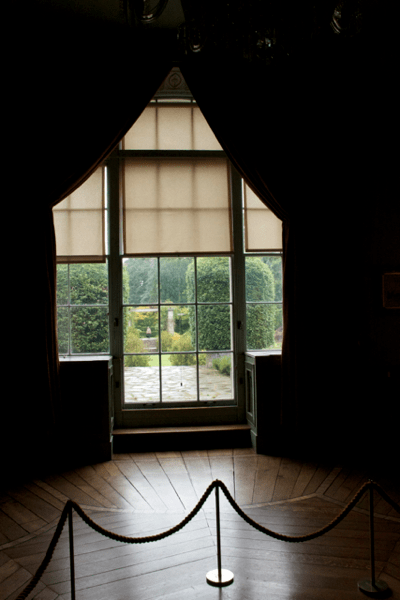
(The former main entrance, now the music room – dark to protect from the light)

The official tour began at noon and we heard lots of interesting information (most of which I’ve forgotten, I’ll be taking notes next time…) Here’s what I do remember…. Women were very important in the fortunes of Mount Stewart. A family called the Stewarts (possibly describing an ancestral occupation of house stewards) moved from Scotland to lands on Lough Swilly near Londonderry (Derry). Later one of the sons moved to this location on Strangford Lough and built the first house here – called Mount Pleasant. He had two sons Alexander and Robert. Alexander was a bit of a ladies man and also a soldier. Anyway, he found a rich wife and then had the money to build on and make his home even more impressive.

14 8cc

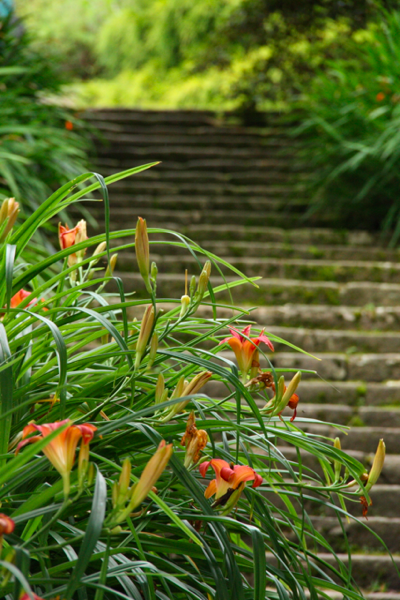
(Steps up to the family burial grounds – called Tir na nOg. In Irish myth residents of Tir na nOg, never age)

Alexander’s brother Robert was a politician and was a good friend of the Duke of Wellington but although he seemed to have had great success in his political career (he was once rewarded with a painting from the pope….) he was not a happy man. Years later another of the Stewarts married a rich wife and the fortunes of the family were secured again. For a time the house was left empty as the sons and grandsons married and moved elsewhere (including one of my favourite coffee places, Powerscourt House, in Co.Wicklow.)

14 8aa

(Tourist map of Mount Stewart)

Eventually, sometime in the 1900’s another descendant moved to Mount Stewart to take up a job as a politician in Northern Ireland. His wife re-decorated the house and created the beautiful gardens. Her daughter, Mairi, lived in the house until her death in 2009. The house is still occupied by a descendant of Mairi’s.

Mount Stewart, testament to the power of women, Mairead.

The Fishing Village.

13 8d

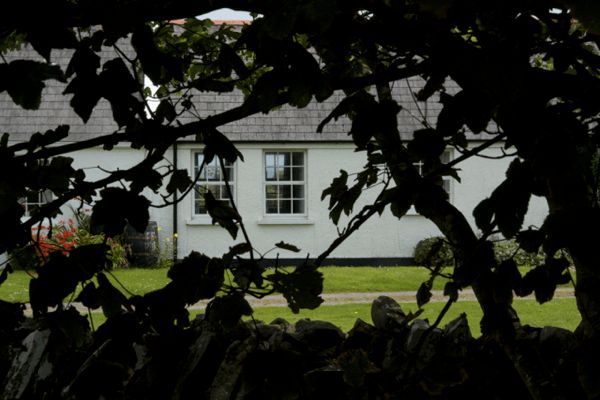
(View from the car park)

We’re back home but still remembering our visit up north, today it’s the fishing village of Kearney. It’s no longer a fishing village, it is owned and managed by the National Trust (conservation organisation) since 1965. It is extremely pretty, lots of white washed cottages and flower gardens and the sun shone. The brochure says it’s a living village, which means the cottages are still lived it. In fact a google search showed one of the cottages is for sale.

13 8b

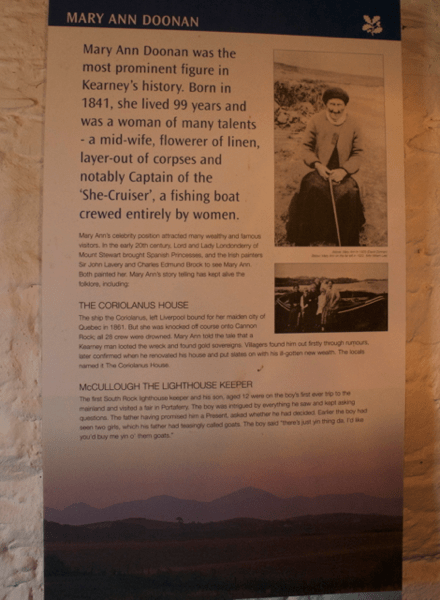
(Mary Ann Doonan)

There are no shops in the village, no pubs, no restaurants but there is an information center with a poster about one of the famous residents, Mary Ann Doonan. Mary Ann was a bit of a celebrity in the early 1900’s and was even painted by Sir John Lavery (famous Irish painter born in Belfast.) She had many roles in the village including being captain of the She-Cruiser, a fishing boat crewed entirely by women. This was in the 1800’s and the google searching could dig up no further information so we’ll have to make it up….

13 8a

(The view from Mary Ann’s cottage)

Maybe her Dad left her his fishing boat in his will… and she wanted to have an independent income… without getting married… Maybe she always dreamed of being a fisherwoman but customs or superstitions prevented her from joining a men’s boat so she needed other women to help her crew her own…. Could be Mary Ann Doonan was a bit of an adventurer and she was willing to break all the rules. Whatever the reason the local important people, Lord and Lady Londonderry (we went to visit them too), were very impressed and brought their famous friends to visit Mary Ann.

More from the peninsula tomorrow, Mairead.
Swirling currents and calm patches while we’re here.

09 8a

(Part of Grey Abbey)

After the Physic Garden we wandered around Grey Abbey. It’s in ruins now with only a few walls still standing, but there are helpful drawings dotted around to show us what it looked like when it was fully functioning. There is also an interpretative centre to explain how things might have been in the community and in Ireland at that time. It was a very peaceful place with only the four of us… along with the trees, a carpet of grass, birdsong, the headstones…. and possibly some spirits! We wandered from headstone to headstone and from building to building getting a feeling for what was here before us.

9 8c

(Some light refreshment to keep our energy up)

We went to Portaferry for our lunch. Again a very descriptive name… it’s the ferry port. The ferry is a car ferry across the narrowest point of Strangford Lough, where it meets the sea. Strangford Lough isn’t really a lough or lake – it’s open at one end, (it’s more like an estuary) – it’s a sea lough and it’s huge. Freshwater and salt water, from flowing rivers and tidal currents meet here at Portaferry.

9 8e

(The St. Brendan, our boat for the afternoon, with the car ferry in the background)

After our picnic in the sun we went on a boat trip up the lough (it took two hours to go half-way up – that’s how big the lough is) and as our boat passed the point where the freshwater met the tidal water we could see strange water currents surrounding flat calm water pools.

9 8d

(The swirling sea currents in the lough, with the calm water in the foreground)

I thought of where we stood in Grey Abbey, where previously monks walked and worked. Now, they are historic characters and we are here. In the future, we will be the historic characters. Someone will walk where we walked… but today we are here. And like these water currents sometimes we experience calm and sometimes we experience swirling and that’s what keeps happening while we’re here…

Tomorrow, the old fishing village, Mairead.
Princess Affreca and my new hens.

7 8j

(We travelled the peninsula and the lough)

We went to Northern Ireland for the weekend to visit friends (Hi Naomi and Liam!) They were excellent travel guides and packed a lot in – including a picnic. I’ve grabbed a map from Wikipedia to show you where we went. Even though it’s only three hours away from our house I had never been to this part of Ireland and it is truly beautiful. Our friends live less than thirty minutes from Belfast but we didn’t visit the city… this time.

07 08a

We began Saturday morning in a pottery for a breakfast of scones and coffee! Yes, I know how great! There were plain scones and fruit scones and rhubarb scones and another type of scones, possibly almond, all yummy. It was here I spotted my new hens. Yes I have hens. It was a difficult decision but… I bought a cereal bowl with hens on it and a plate with a cockerel.

7 8i

Then we set off to visit Grey Abbey a Cistercian abbey in the town of Greyabbey. The abbey was founded in 1193 by a princess called Affreca, her father was King of the Isle of Man. She was married to John de Courcy who ruled most of this area at the time. Anyway, she had a rough sea crossing from the Isle of Man and set up the abbey in thanks for a safe landing. On the way in we met Stephen, the guide to the Physic Garden, so he gave us a quick tour. I thought this might be something to do with mind reading but no… it’s to do with healing.

7 8b

There were lots of gardens at the abbey which were mainly tended to by the lay monks. As well as orchards and kitchen gardens there would have been the physic or medicinal garden. Stephen was very informative and funny and I now recognise some herbs from my own garden that I thought were weeds! By the way, if your roses are bothered by green-fly, then Calendula (also good for liver problems, insect and snake bites) attracts hoverfly who in turn eat green-fly. If you become overrun with hoverfly then let me know and I can give you Stephens’s number. After the garden we had a look at the abbey and the interpretative center.

7 8k

(Calendula, English Marigold, loved by hoverflies)

More from Grey Abbey tomorrow, Mairead.

Bletchley Park… it’s a secret.

22 7b

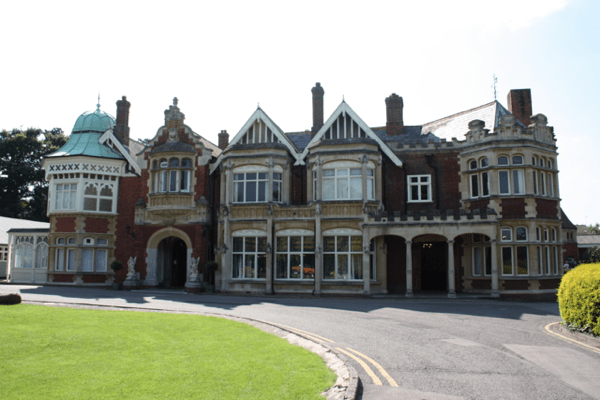
(The big house)

We’re in Bletchley Park (near Milton Keynes) the home of World War II code breakers and the birthplace of digital computers. Ciara and I are sitting in Hut 4, having lunch and resting after a guided tour. Denis is on his second tour… of the Computing Museum section. Bletchley is a very interesting place. Way back in 1937 the big house and about 500 acres went up for sale when the owners died. The estate was divided into lots and a local builder bought fifty acres along with the big house –  he wanted to knock the house and put up a housing estate.

22 7g

(Hut 1.. with part of its protective wall)

The secret service at the time were watching Hitler and considered war a likely possibility. They needed to be in a position to do secret things and not be noticed and Bletchley Park offered the perfect solution. It was forty miles from London so protected by distance. It was close to a railway station. It was halfway between Oxford and Cambridge – where the smart puzzle solvers were to be found. And I can’t remember why but it was in the perfect location for telephone communication, and people who were smart communication device builders (telephone engineers.) A compulsory purchase order meant that there’s no housing estate and the big house still stands.

22 7c

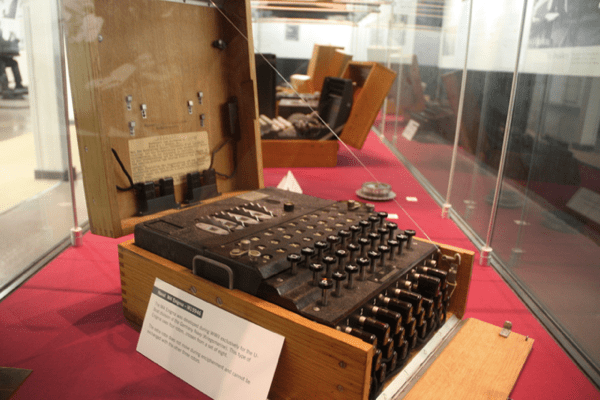
(An Enigma machine)

So the secret stuff began… when the British found a German coding machine called the Enigma. Also, three Polish secret service officers, realising they would soon be invaded by Germany, gave information they had uncovered about a very similar coding machine to the British and French governments. With that information smart puzzle solver Alan Turing took four months to break the puzzle of the Enigma and uncover how it worked. But that was just the first step….. they had to build a machine (with more help from the Polish secret service) that would turn the coded messages into German language messages and then into English. This was in 1940 and for most of the rest of the war all messages sent from the German military were coded using the Enigma, thinking they were secret. It gave the British military a big advantage.

22 7f

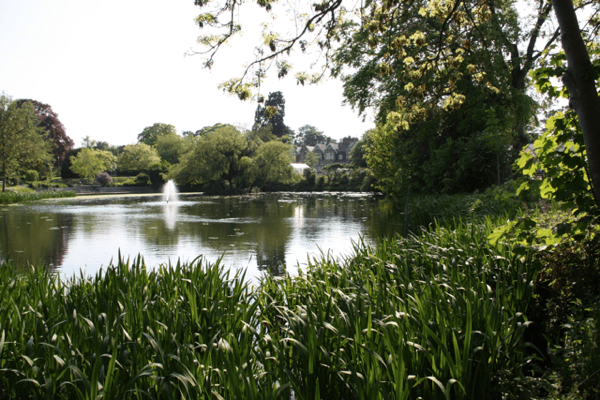
(The lake with the big house in the background)

By the end of the war there were 8,000 people working at Bletchley Park. Everyone who worked here signed the official secrets act and had to keep the secret of Bletchley and they did. Stephen, our guide told a story of a recent woman visitor whose mother had worked in the Japanese message-breaking hut. The woman told him that she had only recently discovered that her mother worked for the secret service and spoke fluent Japanese. Today Bletchley is run by enthusiasts and volunteers who maintain the grounds, the house and the huts, they also run the tours and make the sandwiches.

Take the first step, it’ll give you a big advantage, Mairead.